
College upgrades with state-of-the-art incinerator, enhancing research
College upgrades with state-of-the-art incinerator, enhancing research
CHAMPAIGN, ILLINOIS

SERVICES
» Site survey.
» Develop and prepare design plans.
» Investigate for hazardous materials.
» Secure construction and Illinois EPA permits.
» Coordinate bids.
» Observe construction, visit and inspect site.
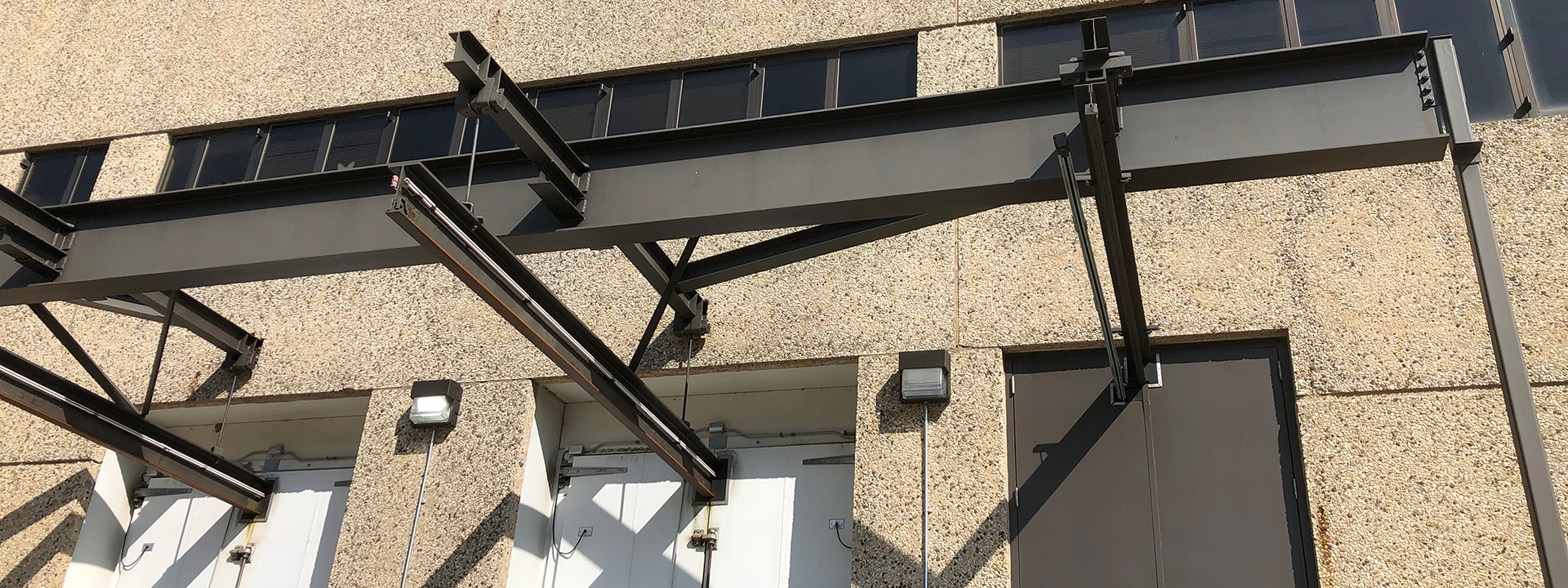
The University of Illinois at Urbana-Champaign is a leader in veterinary and comparative biomedical education. The Vet Med Basic Sciences Building has a gas-fired incinerator to dispose of large animal carcasses. Following a competitive selection process, the University hired Fehr Graham to replace the more than 30-year-old incinerator in the most cost-effective and efficient way possible because of a limited budget and tight schedule. The plan to install an external incinerator in a stand-alone building near the Vet Med Basic Sciences Building was an innovative solution, which required the new flue stack be supported from the main structure, the crane railing system for loading and offloading the carcasses be extended from the main structure to the new building, and the incinerator and flue be removed so the room could be repurposed.
The Fehr Graham team provided a geotechnical analysis to ensure foundation soils at the pit location could support the approximately 80,000-pound combined loading of the incinerator unit, flue stack, work platforms, concrete pit floor and retaining walls. The flue stack height was a critical component of the soil loading and needed to avoid the re-entrainment of flue discharge gases into the building's air through open windows and ventilation intakes. Our team determined the flue stack needed to extend above the main structure parapet wall by more than 10 feet to mitigate the building's air quality issues. The resulting stack height was within the originally assumed gravity loading parameters, but the slender shape of the flue stack required our team to design a structural brace extending from the main structure to support the top during wind and seismic loading.
We also designed the building that houses the incinerator and the ventilation system to provide sufficient air to support combustion and heat rejection demand. Our team designed the loading dock and approach apron area to accommodate multiple utilities, which resulted in a creative step-down grading design that met the maximum slope requirements. Fehr Graham prepared the application to the Air Section of the Illinois Environmental Protection Agency (EPA) to allow the incinerator to operate at higher discharge levels than previously permitted. Fehr Graham obtained the permit three months ahead of schedule, which was quite an accomplishment during the COVID-19 pandemic.
The state-of-the-art incinerator promotes critical research on animal, human and environmental health and supports instruction for generations of veterinary and bioscience professionals.
