
Featured
5 Signs Your Municipality Needs a Water Rate Study
Water rate increases are rarely popular. Waiting until a financial or infrastructure problem forces one is even harder. A municipal water rate study is more than an exercise in raising rates. It evaluates whether current revenue can support daily operations, debt, reserves and future capital improvements while balancing the effect on customers.
Your municipality may need an updated water rate study if infrastructure is aging, emergency repairs are increasing, reserves are falling, regulatory costs are changing or the last study is more than five years old.
1. Your water infrastructure is aging
Is your municipality facing challenges with its water utility rates or finances? If so, it may be time to revisit your water rate structure. Water system infrastructure has a finite service life. Over time, critical assets such as water mains, pumps, treatment equipment and storage tanks deteriorate and require rehabilitation or replacement.

|
A water rate study helps municipalities plan for future capital needs and develop a financial strategy to pay for them through municipal cash funds or loans over time, instead of waiting until emergency repairs become unavoidable. |
A water rate study helps municipalities plan for future capital needs and develop a financial strategy to pay for them through municipal cash funds or loans over time, instead of waiting until emergency repairs become unavoidable.
This proactive approach can help municipalities build financial capacity for future improvements, evaluate when borrowing may be appropriate and reduce the likelihood of large, unexpected rate adjustments when major projects arrive.
2. Water main breaks and emergency repairs are increasing
Emergency repairs are almost always more expensive than planned replacements. They often involve overtime, emergency contractors, traffic control, pavement restoration, service interruptions and boil orders.
If your utility is spending more time reacting than planning, your rates may no longer support the level of investment your system needs. A water rate study helps utilities answer questions like:
- Are revenues keeping up with maintenance costs?
- Are we funding preventive maintenance?
- Can we afford planned infrastructure replacement?
- Are emergency repairs consuming our operating budget?
When rates align with long-term needs, utilities can shift from reactive maintenance to proactive system management.
3. You cannot build adequate financial reserves
A healthy fund balance gives the utility the flexibility to respond when equipment fails, infrastructure projects cost more than anticipated or other unexpected needs arise. Without adequate reserves, municipalities often have only a few options:
- Delay needed improvements.
- Borrow money.
- Raise rates.
- Reduce maintenance.
These options are less than ideal. A water rate study evaluates operating expenses, debt service, planned capital improvements and reserve targets to help determine whether current rates can support the utility's long-term financial needs to remain financially sustainable.
4. Regulations continue to change
Water utilities operate in an environment that faces new regulatory requirements every year. Some of these evolving regulatory requirements include:
- Lead service line replacement.
- PFAS investigations and treatment.
- Updated drinking water standards.
- Risk and resilience planning.
- Additional monitoring and reporting requirements.
By incorporating these considerations into long-term financial planning, utilities can begin preparing for these potential costs before compliance deadlines arrive – helping reduce the need for sudden adjustments and giving municipal leaders more time to evaluate funding and implement options.
5. Your most recent water rate study is more than five years old
Inflation changes everything, including the cost of things like construction, chemicals, energy, labor, equipment and other resources.
If your water rate study hasn't been updated in several years, there's a good chance your financial assumptions no longer reflect today's reality. Rising construction costs, material and labor expenses and the increasing cost of critical infrastructure projects can significantly affect a utility's long-term financial outlook. Most municipalities should review their water rates every three to five years, even if no immediate changes are necessary.
Regular updates can allow communities to make smaller, incremental adjustments instead of waiting until significant increases become unavoidable following prolonged periods without revisiting rates and long-term financial assumptions. Routine updates and adjustments are often easier for municipal leaders and residents.
What does a water rate study actually evaluate?
A common misconception is that a water rate study simply recommends a rate increase – this is not the case. A water rate study provides a holistic look at the utility's financial health and whether current rates and rate structures generate revenue that positions a municipality to support today's operations and tomorrow's needs.
A typical study examines:
- Revenues and expenses.
- Operations and maintenance costs.
- Debt obligations.
- Capital improvement plans.
- Reserve balances.
- Customer usage trends.
- Rate structure.
- Financial sustainability.
The goal is to ensure the utility collects enough revenue to operate efficiently, maintain infrastructure and invest in the future without placing unnecessary financial burdens on customers. The study gives decision-makers the information they need to balance the utility's financial needs with the impact on customers.
What are the benefits of a municipal water rate study?
A well-designed water rate study benefits more than the utility fund. It helps municipal leaders:
- Make informed financial decisions.
- Plan and prioritize infrastructure investments.
- Improve long-term budgeting and capital planning.
- Strengthen funding applications.
- Build public confidence through transparent planning.
For residents, thoughtful financial planning can contribute to more predictable rate adjustments over time. A water rate study also helps municipal leaders anticipate financial needs, evaluate options and make decisions before they become urgent.
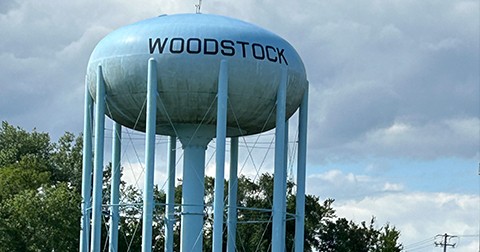
In Woodstock, Illinois, this type of planning meant understanding what the city's water and sanitary sewer systems needed – and how to pay for it.
For this water rate study, our team reviewed both utility master plans, updated cost estimates to reflect market conditions and prioritized future improvements. Working closely with city staff, we developed utility rate recommendations and adjustment scenarios, explained regulatory expectations and aligned financial models with the community's goals.
The result gave city leaders a clearer picture of utility needs and a practical foundation for prioritizing capital projects and supporting growth – demonstrating how a rate study can connect infrastructure planning with financial decision-making.
A little planning goes a long way
No elected official enjoys talking about water rates, but every community depends on reliable drinking water, and reliable water systems require sustainable funding. The best time to evaluate your rates is before infrastructure failures, regulatory changes or budget shortfalls force difficult decisions.
A proactive water rate study gives municipalities the information they need to invest wisely, communicate confidently and protect one of their community's most important assets.
At Fehr Graham, we help municipalities understand what their current water rates can support and what may need to change. Each study includes an interactive rate model that allows utility leaders to evaluate annual revenue, expenses, capital needs and rate scenarios throughout the projection period.
The result is not a report that sits on a shelf. It is a practical tool your municipality can continue using as costs, projects and priorities change.
See what your current rates can support before the next major project or emergency arrives. Contact us or call 815.394.4700.
 |
Fehr Graham Engineer Juliet (Betke) Harper brings an environmental perspective to the planning, design and construction of water and wastewater infrastructure. She has managed and conducted assessments involving water, soil and hazardous materials and served as project manager for work at more than 100 public and private facilities across Illinois and Wisconsin. Her background informs her understanding of the infrastructure needs and regulatory considerations utilities face. Her work emphasizes proactive planning that connects infrastructure needs with financial decisions, helping municipalities prioritize improvements, prepare for future costs and balance reliable service with affordability for customers. Reach her at |
