
A community guide to managing urban watershed improvements
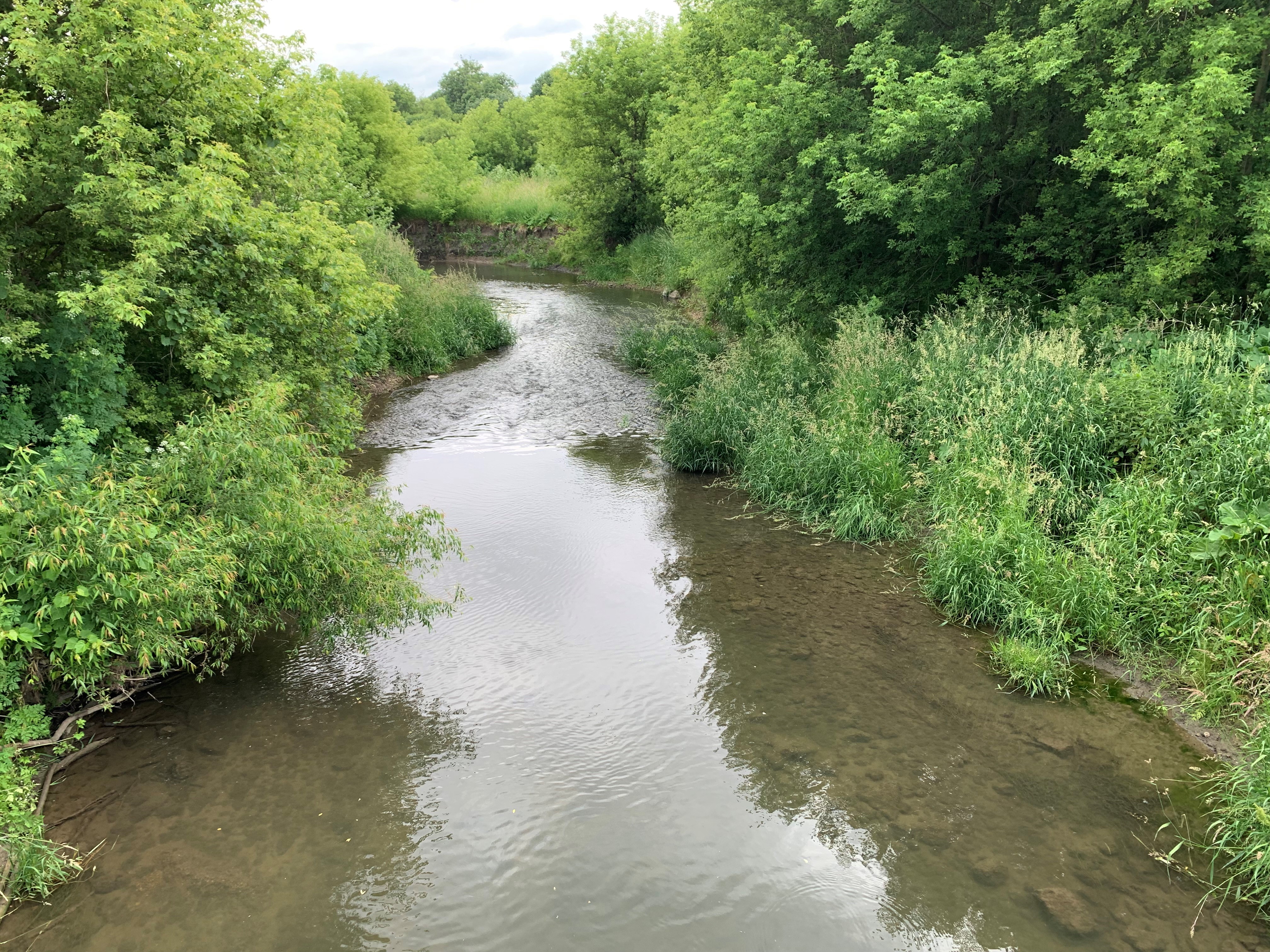
Implementing Best Management Practices help control stormwater runoff in urban areas.
A watershed is an area where water flows downhill into streams, lakes, rivers or wetlands. In natural watersheds, such as forests, about 50% of rainwater infiltrates the soil. In urban watersheds, 30-70% of rainfall runs off into storm drains and natural water bodies. Layers of asphalt and concrete, known as impervious surfaces, reduce the land’s ability to absorb rain and snowmelt. As stormwater runs over these surfaces, it picks up pollutants like oil, gasoline, fertilizers, pesticides and industrial chemicals, which pollute streams, rivers and lakes. The U.S. Environmental Protection Agency (EPA) considers polluted runoff one of the greatest threats to clean water.
Urban watersheds are growing faster than urban populations, leading people to take action and plan for urban watershed improvements. One key approach to controlling stormwater runoff is implementing Best Management Practices (BMPs), offering solutions to help manage and reduce water pollution in urban areas.
Learn more about the BMPs communities should adopt for urban watershed improvement and why partnering with an expert is the best way to implement them.
Urban watershed improvement through BMP implementation
A BMP is defined as a measure or a low-impact developmental control to manage the quantity and quality of stormwater runoff to improve urban watersheds. BMPs address three key criteria to manage urban stormwater runoff and reduce combined sewer overflows (CSOs):
- Reduce the amount of stormwater entering the sewer system.
- Slow stormwater flow and spread discharge over time to help prevent flooding in the sewer system.
- Improve water quality using natural processes like filtration and biological and chemical processes to remove stormwater pollutants.
The following table highlights common examples of BMPs for urban watershed improvement.
Using watershed BMPs offers the following advantages:
- Promotes the natural movement of water.
- Helps improve water quality and the water treatment process at water treatment plants.
- Reduces the number of pollutants entering storm drains and eventually reaching rivers and lakes.
However, determining the right BMPs for your community’s watershed requires expertise.. The type, size and location of BMPs depend on factors like how effective they are and the area’s specific needs.
Partnering with an experienced team of water engineers can help you take the best steps toward implementing BMPs for urban watershed improvements.
How Fehr Graham can help with urban watershed improvements
At Fehr Graham, we believe every community deserves clean and safe water. Our team is committed to helping neighborhoods manage urban watershed improvements through the latest technologies, including interactive Geographic Information System (GIS) models. Our past work on urban watershed improvements has helped several communities across Illinois, Iowa and Wisconsin comply with stormwater regulations.
To learn how Fehr Graham can help you with urban watershed improvements, contact us or call 630.897.4651.
 |
Karoline Qasem, CFM, PhD, PE, PMP, is a powerhouse in water resources engineering. She specializes in watershed, water quality, hydrodynamic modeling, regulatory permits, nutrient criteria development, watershed planning and stormwater management. Her groundbreaking research, particularly at the interface of environmental engineering and ecology, has revolutionized our understanding of urban streams. Reach her at |
