
PFAS sampling procedures
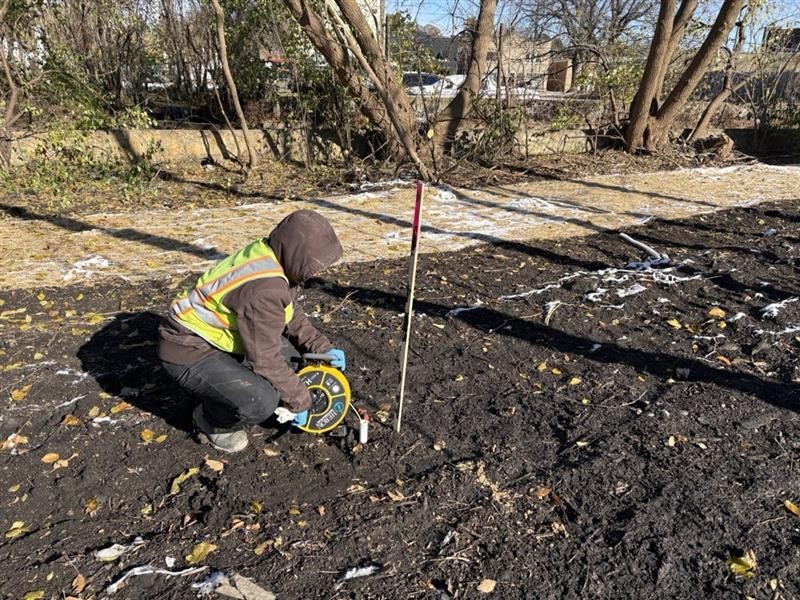
They're all around us – in the pans we use for cooking, the pizza box that delivers our dinner and even the dental floss we use on our teeth.
Perfluoroalkyl and polyfluoroalkyl substances – better known as PFAS – are persistent, human-made chemicals found in countless everyday products.
Recently, the Environmental Protection Agency designated certain PFAS as hazardous substances under the Comprehensive Environmental Response, Compensation and Liability Act (CERCLA). As a result, accurate soil and groundwater PFAS testing has become increasingly critical.
PFAS are so widespread in consumer goods and environmental materials that the risk of cross-contamination during sampling is high. Reliable PFAS data depends on careful planning, strict sampling protocols and rigorous quality control practices to minimize false positives and provide defensible results.
Why PFAS testing matters
PFAS testing provides vital information for understanding environmental risk, protecting human health and meeting regulatory obligations. As federal and state agencies continue establishing cleanup standards and enforceable limits, accurate sampling helps clients understand:
- Whether PFAS is present in soil or groundwater.
- How concentrations vary across a site.
- What actions are needed to manage environmental or public health risks.
This information supports informed property transaction decisions, regulatory compliance and long-term environmental stewardship.
Businesses and agencies that need PFAS testing
A variety of organizations rely on consultants like Fehr Graham for specialized PFAS sampling and analysis. They include:
- Developers and property owners evaluating environmental conditions before property transfer or redevelopment.
- Municipalities, particularly those with private well users, seeking to understand drinking water quality and potential exposure risks.
- Remediation contractors needing accurate data to evaluate treatment effectiveness and adjust cleanup strategies.
- Industries and manufacturers seeking third-party verification of environmental performance or regulatory compliance.
- Insurance carriers and legal teams requiring defensible environmental documentation.
Across all sectors, clients depend on environmental professionals to conduct meticulous sampling to avoid misleading or inaccurate results.
Key considerations for PFAS sampling in the field
Because even unintentional trace amounts can compromise data quality, PFAS sampling requires strict adherence to equipment, clothing, hygiene and material restrictions. The guidelines below help minimize the potential for cross-contamination:
| Containing PFAS | Avoid | Use |
| Personal Hygiene |
·
Scented or oil-based cosmetics (shampoo,
conditioner, deodorant, etc.). · Sprays such as sunscreen or insect repellent. |
· Unscented soaps. · Mineral-based sunscreen. · PFAS-free cosmetic alternatives. |
| Clothing |
·
New or recently treated clothing. · Items washed with fabric softener. · Water-resistant or waterproofed garments. · Leather boots treated with oil-based waterproofing. |
·
Well-laundered clothing.
· Unscented laundry detergent. · Polyurethane or polyvinyl (PVC) boots. |
| Field Recording |
·
Water-resistant paper or pens.
· Plastic clipboards. |
·
Non-waterproof loose-leaf paper.
· Sharpies or ballpoint pens. · Aluminum clipboards. |
| Field Equipment |
·
Low-Density Polyethylene tubing for groundwater.
· Plastic tools or dyed materials not certified PFAS-free. |
·
High-Density Polyethylene (HDPE) or silicone
tubing for groundwater.
· Certified PFAS-free materials. · PVC or metal tools. · Decontaminate sampling tools frequently. |
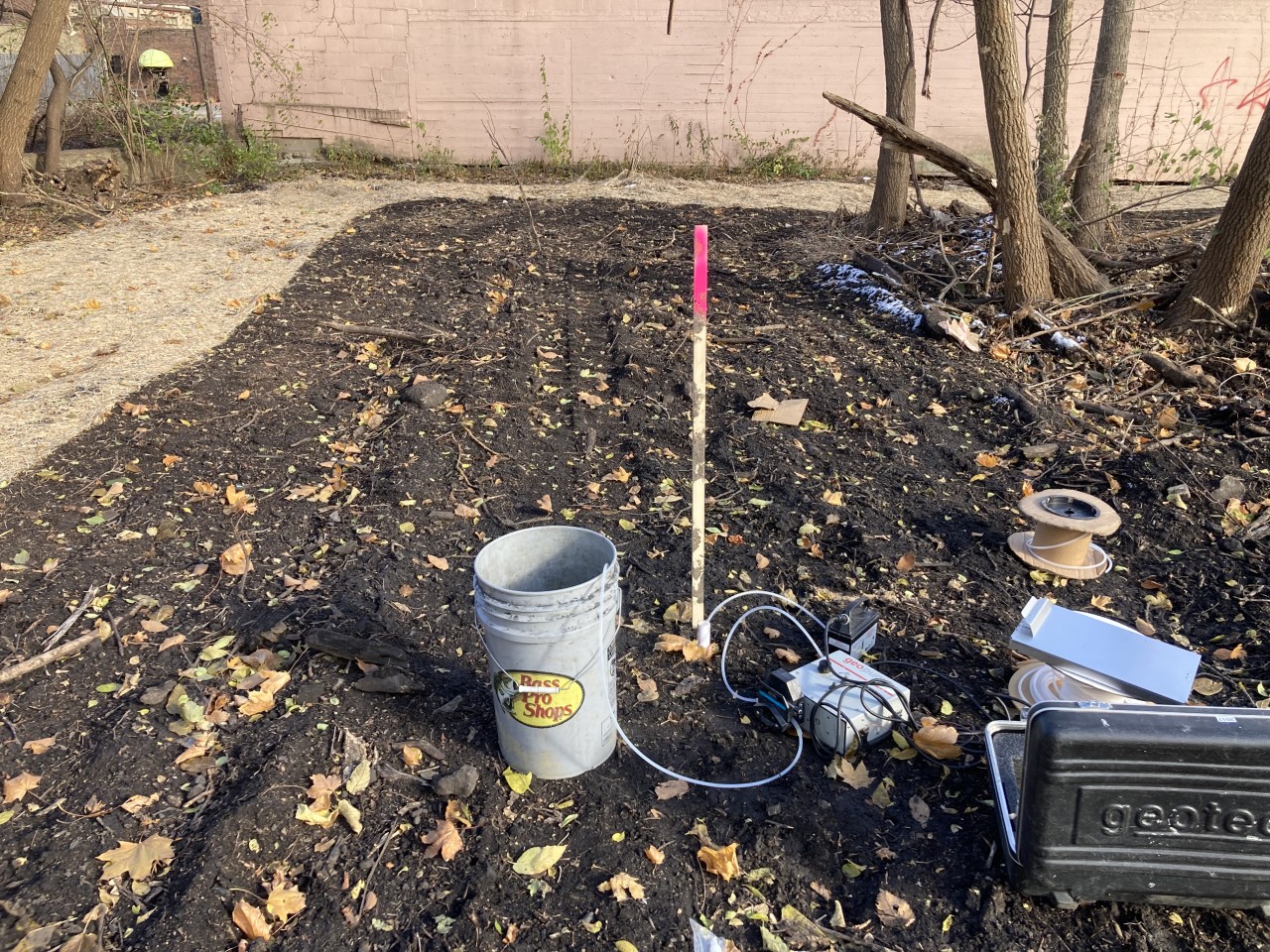
Field and laboratory quality control
Controlling contamination does not stop at sample collection. Laboratory processes must also follow strict procedures to ensure high-quality PFAS data. These measures confirm that any PFAS compounds detected reflect actual site conditions, not contamination introduced during sampling, handling, transport or analysis.
| Field Activities |
·
Avoid sampling during precipitation events.
· Confirm all materials used are PFAS-free or certified by the manufacturer. · Use only HDPE or polypropylene sample containers. · Wear disposable nitrile gloves and change them between samples. · Decontaminate equipment using Alconox or equivalent cleaners. · Keep food and beverages away from sampling areas. Collect PFAS samples before any other analytical parameters. |
| Lab Procedures |
·
Field Blank: Detects airborne
contamination at the site.
· Equipment Blank: Confirms that field equipment is not introducing PFAS. · Trip Blank: Ensures that transport and laboratory handling remain contamination-free. |
Selecting a PFAS sampling consultant
PFAS sampling is highly technical, and optimal sampling procedures are still evolving. When selecting a consultant:
Be cautious of a promise for fast results. PFAS analyses require specialized laboratory methods and cannot be rushed without sacrificing quality.
Demand a clear sampling plan. A reputable consultant will provide a detailed plan that includes quality assurance and quality control procedures, site-specific considerations and equipment controls.
Look for experience with PFAS-specific field protocols. PFAS sampling is different from conventional environmental sampling. That means experience matters.
Ensure transparent communication. Accurate expectations, realistic timelines and clear reporting needs are essential for trusted outcomes.
Fehr Graham remains at the forefront of PFAS sampling practices through collaboration with vendors, laboratories and industry professionals. Our team delivers reliable, defensible data that helps clients make informed decisions about site management, redevelopment and remediation.
For help with your PFAS sampling project, contact us or give us a call at 815.394.4700.
 |
Phil Simonton is a Staff Hydrogeologist who leads environmental monitoring processes, including odor, gas and groundwater sampling at landfills and other project locations. He conducts fieldwork, prepares Phase I and Phase II Environmental Site Assessments, and assists with grant applications for brownfield remediation projects. Reach him at |
