
Why an Emergency Response Plan matters for public utilities
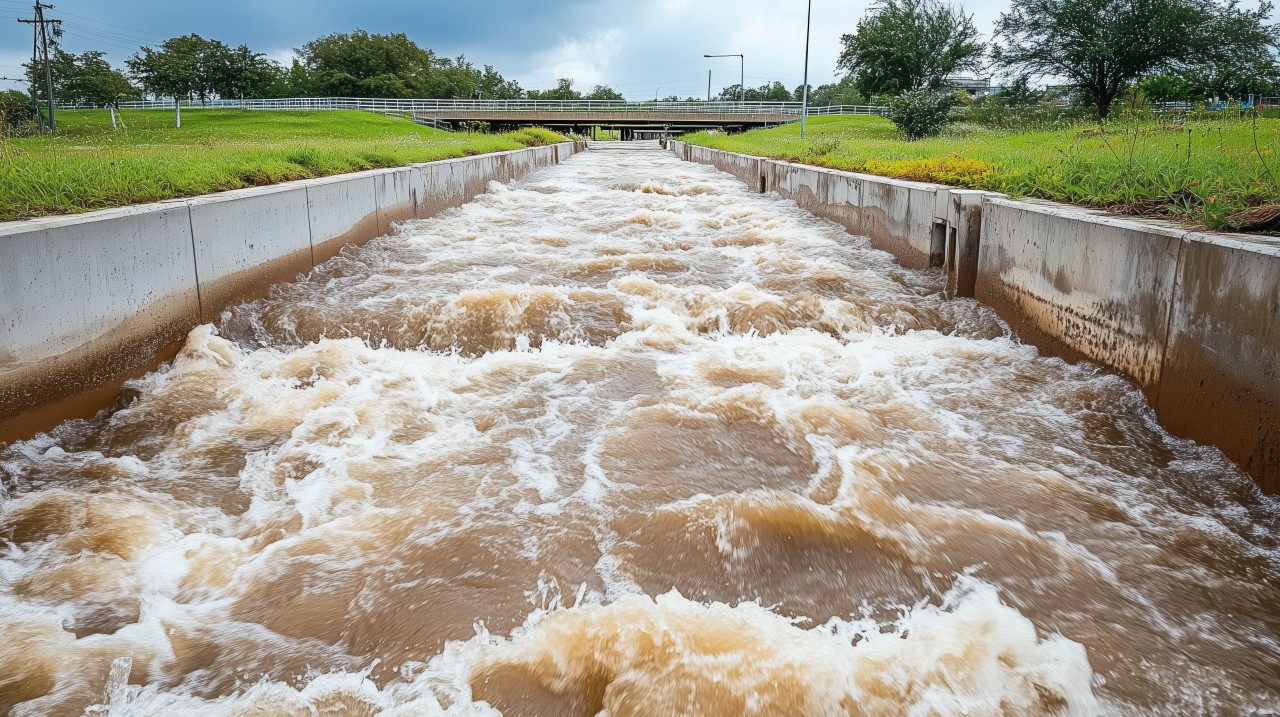
An ERP outlines the strategies, procedures and resources a utility uses to prepare for, respond to and recover from emergencies that could affect the safety and reliability of drinking water. These plans cover a wide range of critical threats and are essential for Community Water Systems (CWS) to maintain effective operations.
In 2018, the Environmental Protection Agency (EPA) America's Water Infrastructure Act (AWIA) mandated ERPs for any CWS that serve 3,301 or more people. The ERP must be updated every five years in accordance with the AWIA, and compliance deadlines are fast approaching for municipalities above certain population thresholds.
Here, we'll look at what goes into creating an Emergency Response Plan and why those plans matter for public utilities.
What goes into an ERP?
ERPs are documented, actionable strategies that are routinely checked by the utility's state regulatory agency. For the utility, ERPs are also practice guides on the threats and consequences identified under the required Risk and Resilience Assessment (RRA). These plans include:
- Procedures and documentation of available resources for responding to incidents.
- Communication protocols, including key contacts of utilities, first responders and key administrative staff.
- Mitigation actions such as alternative source water options and/or interconnected utilities and cybersecurity response actions after an incident.
ERPs also account for a wide range of threats or unplanned occurrences, some of which include:
- Manmade, like unauthorized access or cyberterrorism.
- Natural hazards, like flooding, tornadoes or ice storms.
- Key proximity and dependency hazards, such as operator shortages, financial shortages and aging infrastructure.
ERP compliance deadlines are established based on the population of the municipality. This chart summarizes the updated ERP deadlines by population served.
| POPLUATION SERVED | UPDATED ERP DEADLINE |
| ≥100,000 | Sept. 30, 2025 |
| 50,000-99,999 | June 30, 2026 |
| 3,301-49,999 | Dec. 31, 2026 |
Why work with Fehr Graham on your ERP?
ERPs can be crucial tools for guiding an appropriate response to unplanned events that disrupt normal utility operation. Beyond regulatory compliance, ERPs help utilities strengthen resilience, improve communication with local partners and build confidence with the communities they serve. A strong plan is not just a document – it's a lifeline during critical events.
If your utility is approaching an ERP deadline – or if you simply want to strengthen your emergency preparedness – our team has the knowledge and expertise to help you create a clear, compliant and actionable ERP. From assessment to plant development and submittal, we can guide you through the ERP creation process to ensure your utility is equipped to respond to any occurrence that jeopardizes safe, reliable drinking water.
Our team of water engineering experts can help you protect your Community Water System. Contact us or call 630.897.4651.
 |
Tim Chan, PE, is a trusted leader in water and wastewater infrastructure planning and design, having completed more than 70 Risk and Resilience Assessments and Emergency Response Plans in four states. He leads full-scope initiatives to optimize infrastructure upgrades and expansions, delivering practical solutions that improve community water systems. His collaborative and detail-driven approach make him a dependable resource for building resilient water infrastructure. Reach him at |
