
Featured
Why small public utilities should digitize their water assets
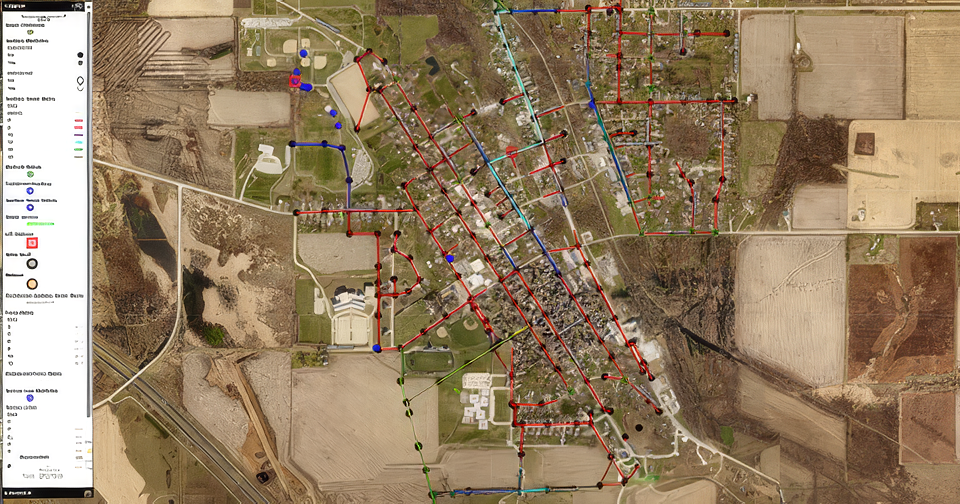
Small public water systems rely heavily on their water operators. If you ask most water operators where their oldest water main is, they'll point you in the right direction. However, details surrounding the water main's materials, number of breaks and the customers the main serves may be equally critical, yet more difficult to pinpoint.
While institutional knowledge is incredibly valuable, it's just not enough, especially when employees retire or leave for other opportunities. This makes digital asset management systems essential for small public water systems to optimize processes, efficiency and performance.
A digital asset inventory helps utilities answer important questions, including:
- Which water mains are most likely to fail?
- Which assets serve critical facilities such as hospitals or schools?
- Which valves have not been exercised recently?
- Which hydrants require inspection or maintenance?
- Where should the next capital improvement project begin?
Digitizing utility assets gives water operators, public works directors and municipal leaders the information they need to make informed decisions, prioritize capital improvements and respond more efficiently when failures occur.
What does it mean to digitize water assets?
Digitizing assets means creating a centralized, digital inventory of your water system. A digitized system records key information, including installation date, material, size, maintenance history, inspection records, repair costs and expected service life.
Depending on the utility's size and operational needs, this digital inventory includes components such as:
- Water mains.
- Valves.
- Hydrants.
- Service lines.
- Wells.
- Booster stations.
- Water towers.
- Pressure zones.
- Meters.
- Treatment equipment.
Utilities can manage this information through Geographic Information Systems (GIS), computerized maintenance management systems (CMMS) or asset management software that integrates both.
GIS tools are used to create a map of a public water system that can be easily updated, analyzed and viewed by all pertinent parties. CMMS aids in the tracking and management of maintenance operations. These systems can keep records of past repairs, predict future failures and help operators create a more proactive approach to maintenance.
The importance of asset digitization
For communities with populations from 10,000 to 15,000, budgets are often tight, and staffing is limited. Every maintenance decision and capital investment matters. Instead of relying on memory or paper records, operators can make data-driven decisions backed by reliable information.

|
Every maintenance decision and capital investment matters. Instead of relying on memory or paper records, operators can make data-driven decisions backed by reliable information." |
Improved capital planning
Without a better option, many small utilities must operate reactively, replacing infrastructure only after something fails. Emergency repairs are expensive, disrupt service, require overtime and often create additional restoration costs. Digitized asset data allows utilities to shift from reactive maintenance to proactive planning. Many small public water systems struggle with complex and interconnected issues, including:
- Outdated water mains.
- Locating, isolating, and repairing water main breaks quickly.
- Increasing maintenance costs.
- Reliably servicing critical customers.
Understanding the nature and location of these issues gives water operators time to repair the system before additional failures occur. It also strengthens applications for State Revolving Fund loans, grants and other infrastructure funding, because the utility can clearly demonstrate need and prioritize its investments.
Faster emergency response
Every operator has experienced a 2 a.m. water main break. When crews quickly locate valves, identify the needed pipe size and material and understand how a section of the system operates, they can restore service faster. Digital mapping reduces guesswork by allowing operators to:
- Identify affected customers.
- Estimate repair materials.
- Access previous maintenance records.
- Coordinate repairs more efficiently.
- Reduce time without water for residents and businesses.
Protect institutional knowledge
Many small utilities rely on experienced operators who have managed their systems for decades. Much of that institutional knowledge exists only in their heads. When operators retire, utilities risk losing years of valuable expertise. Digitizing assets preserves that knowledge, provides future operators with reliable information and creates greater consistency across the organization.
|
|
Digitizing assets preserves knowledge, provides future operators with reliable information and creates greater consistency across the organization." |
Improve regulatory compliance
Asset management also supports regulatory compliance. Utilities routinely collect information related to:
- Lead service line inventories.
- Hydrant inspections.
- Valve exercising.
- Water loss audits.
- Distribution system maintenance.
- Risk and resilience assessments.
When assets are digitized, much of this information becomes easier to organize, update and retrieve during inspections or reporting.
Start small
Complex utility systems or lost records may make implementing a system like GIS or CMMS difficult. Many successful programs begin with a single priority area, such as:
- Water mains.
- Valves.
- Hydrants.
- Lead service lines.
- Pressure zones.
Once the framework is in place, utilities can continue adding assets over time, creating a reliable system that grows with the utility, budget and staff.
Data-driven decisions
Asset digitization is about more than technology. It's about giving utility staff the information they need to operate efficiently, plan confidently and serve their communities more effectively.
For small public water utilities, every dollar and every hour count. A digital asset management program helps maximize both by improving maintenance planning, supporting capital improvement decisions and reducing long-term operational risk.
At Fehr Graham, we've helped communities across the Midwest inventory water infrastructure, develop GIS-based asset management systems and create long-term capital improvement plans. Whether you're just getting started or looking to build on a program, the right asset data can help your utility make informed decisions today while preparing for tomorrow's challenges.
Our team of water engineering experts can help you digitize your assets to optimize performance, streamline inventory management and reduce costs. Contact us or call 815.394.4700.
 |
Fehr Graham Engineer Austin Zwaschka has contributed to a wide range of water and wastewater projects, demonstrating expertise in design, technical writing and data analysis. As a licensed Water Treatment and Distribution Operator, he understands how accurate, accessible asset information helps utility staff improve daily operations, plan maintenance and capital improvements, and respond more efficiently when problems arise. Austin builds strong client relationships and develops practical solutions that balance system performance, available resources and community needs. Reach him at |
